
Coin Toss: Rules, Rhythm & Play Guide | OkayPlay
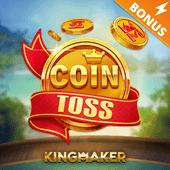
Coin Toss is a quick cards-category game centered on a straightforward choice between two sides. Learn the round flow, set a personal limit, and decide whether its short, focused rhythm suits your session.
In brief: understand the choice and round conditions before taking action; no sequence of past outcomes can guarantee what comes next.
More OkayPlay cards to explore
Compare a few compact options from the same category. Select a game tile to continue through the site's game access.
 5 Card Poker
 Cards Hi Lo
 Coin Pusher
 Color Game
Coin Toss at a glance: a simple two-side contest
Coin Toss is a concise choice-based game in the cards category: follow the displayed round, choose a side where the interface asks, and check the result when the round resolves. Its appeal is immediacy rather than a long ruleset, so first review the controls and any round-specific terms shown in the game.
For a first visit, keep the goal modest: learn where the side selection, stake, and confirmation controls appear before committing to a round. A Coin Toss Demo, if offered in the game interface, can help familiarize you with the presentation without treating a practice result as a forecast of future play.
When you want a different pace, compare the decision structure with Baccarat A, a separate card-table experience. The rules and result mechanics are not interchangeable, so read each game's own information before choosing.
Coin Toss milestones: focus on process, not streaks
The most useful milestone is understanding the controls and settlement message; the game does not reward a guessed pattern with certainty. Treat each round as independent unless the rules displayed in-game explicitly state otherwise, and use the result screen to confirm what happened before moving on.
First: learn the interface
Locate the available choices, wager control and round confirmation. Pause if the terms are unclear rather than relying on memory from another title.
Next: keep a steady session
Choose a time and entertainment budget in advance. A short break between rounds helps keep decisions deliberate.
Then: review the outcome
Read the result and any displayed transaction status. A run of heads or tails is not evidence that the next result is due to change.
The point of a Coin Toss session is a clear, controlled experience—not chasing a target. If play stops feeling recreational, close the game and step away.
Coin Toss player perspective: what matters in a short session
Players considering a fast game usually care about clarity, pace and whether it is easy to stop. Coin Toss keeps the central decision visible, while the surrounding controls and terms still deserve a careful read. Start with the smallest comfortable commitment and check the rules screen for details that may vary by version.
“I like that the choice is easy to understand. I take a moment to check the round details before I confirm.”
“The quick pace works for a short break, but setting a stop time beforehand helps me keep it in perspective.”
These are illustrative player viewpoints, not verified testimonials or promises of results. Coin Toss outcomes remain uncertain; a Coin Toss Demo should be used to understand the interface only. For another quick visual choice format, see Color Game, and review its own rules independently.
Good feedback is practical: clear controls help, transparent rules matter, and no game should be presented as a dependable way to earn money. Choose only with time and funds you can afford to spend on entertainment.
Coin Toss theme and experience: quick decisions, calm resets
The theme is deliberately direct: a familiar coin-side choice gives each round an immediate focal point. The short cycle makes it easy to understand what to do next, while the result moment provides a natural pause to reassess rather than automatically continuing.
For a more layered session, a player might browse other categories after a break. A slot such as Fortune Gems uses a different format and pacing; its features, volatility and rules should not be inferred from Coin Toss. The useful comparison is the experience you prefer, not an assumed edge.
A rhythm built around short rounds
Make one decision, wait for the result, then take a deliberate pause. Keep sound and animation settings comfortable and avoid multitasking during play.
This practical rhythm also makes it easier to monitor time. If you are using the OkayPlay mobile experience, keep your device secure and take regular breaks; an okayplay slot download route is for accessing the platform, not a gameplay advantage.
Coin Toss compared by practical dimensions
Choose by format and comfort rather than claims of a better outcome. Coin Toss emphasizes one concise choice, while other games can involve hand rankings, color selections or multi-step bonus mechanics.
There is no reliable strategy that can guarantee a win or turn a random sequence into a prediction. Compare user interface, pace and the rules you understand; do not treat published category averages or another game's advertised return as the rate for Coin Toss.
Before exploring a platform, read its applicable terms, eligibility and location requirements. For a reminder about safer habits and account tools, open the OkayPlay play guide. An okayplay responsible approach includes setting a spending ceiling, never borrowing to play and stopping when the limit or time is reached.
Coin Toss in a common situation: how to start safely
If you have a few minutes and want to understand the game, first open the rules or help panel, check whether a demo option is available, and identify the confirmation and exit controls. If the interface or any condition is unclear, do not place a wager until you understand it.
- Confirm you meet the platform's age and location requirements.
- Review the rules, available choices and displayed terms for this version.
- Set a firm entertainment budget and a session time limit before starting.
- Choose only an amount within that limit; never chase a previous result.
- Stop at the planned time or limit and use account controls if a break is needed.
A Coin Toss Demo may be useful for learning the controls, but demo play does not establish a real-money result or guarantee. The same is true when returning after a break: prior outcomes do not make one side more likely unless the game's stated mechanics say so.
If you feel pressure to recover losses, stop and seek support from someone you trust. The okayplay responsible approach is to treat games as entertainment, protect essentials such as rent and bills, and use available deposit, time or self-exclusion tools where appropriate.